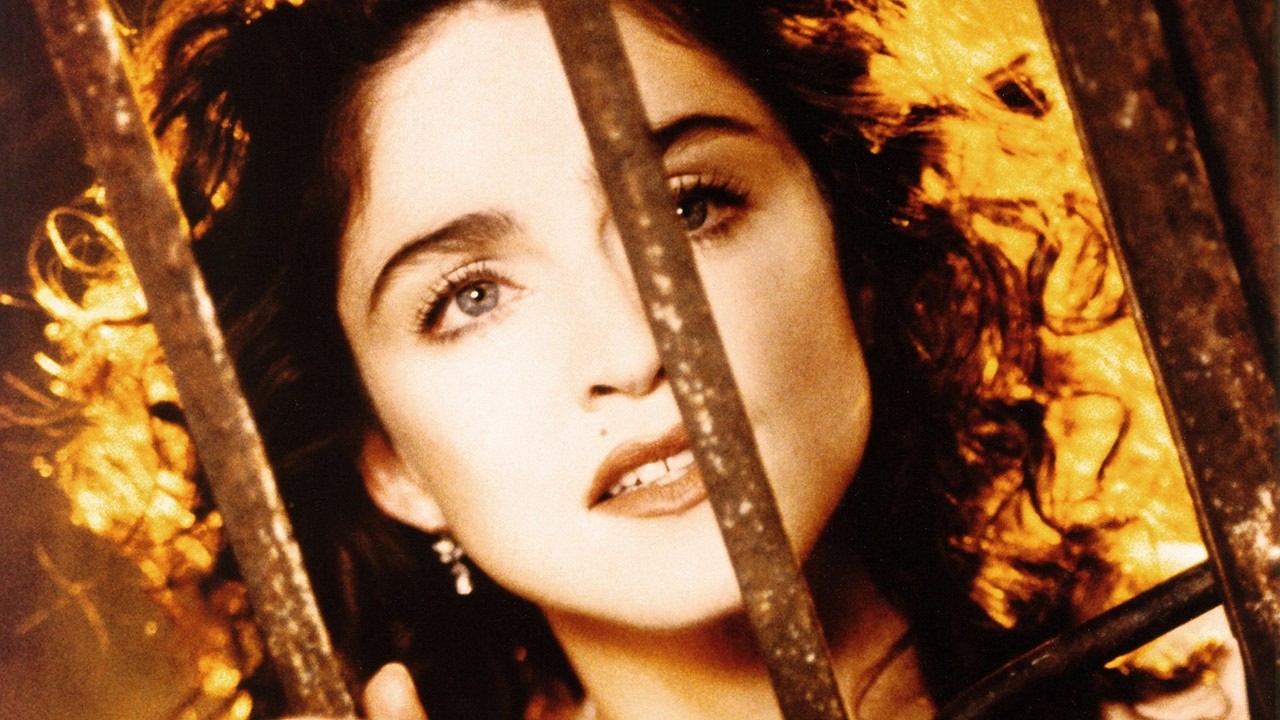
The Pepsi commercial aired first — a wholesome spot featuring Madonna dancing to her new single while watching home movies of her childhood. The music video for "Like a Prayer" premiered on MTV the following evening. The two could not have been more different. Within weeks, Pepsi had pulled the ad and terminated the deal. Madonna kept the five million dollars.
Director Mary Lambert had worked with Madonna before, and together they developed a concept that went further than either might have alone. Lambert's vision centered on the collision of sexual and religious ecstasy. Madonna pushed to address racism through imagery of a wrongful arrest and Ku Klux Klan violence. The result merged both ideas: a woman witnesses a murder, a Black man is falsely accused, and her crisis of conscience plays out through burning crosses, stigmata, a gospel choir, and a kiss with a saint — Leon Robinson, his character inspired by Saint Martin de Porres.
Filming took four days in January 1989 at Raleigh Studios in Hollywood, with exterior footage shot in San Pedro, California.
The burning crosses evoked lynching rather than anti-Christian sentiment — at least in the intention of Madonna and Lambert, though few viewers paused to make the distinction. The stigmata on Madonna's palms suggested spiritual awakening through bodily experience. The saint, a Black figure coming to life and kissing a white woman, fused racial justice with religious devotion in a way designed to unsettle.
The Vatican condemned the video as offensive to the Catholic faith, citing its use of sacred Christian symbols in a sexualized context. Catholic organizations in Italy opposed Madonna's Blond Ambition tour in 1990, and Pope John Paul II expressed criticism that fueled a wider boycott. In America, the American Family Association organized protests and pressured Pepsi with boycott threats — which proved more effective against the soft drink company than against MTV, which aired the video without hesitation.
The single reached number one on the Billboard Hot 100 for three weeks and topped the UK Singles Chart. The album, also titled Like a Prayer, became Madonna's most critically acclaimed release to that point. Whatever damage the controversy was supposed to inflict, the opposite happened: the publicity made the record unavoidable.
What made the video dangerous wasn't any single image — it was the refusal to separate things that institutions insist on keeping apart. Sex and faith. Black and white. Provocation and sincerity. Madonna understood, perhaps better than anyone in pop music, that the space between sacrilege and devotion is narrower than most people are comfortable admitting.
Watch the video