In early 1983, MTV was a rock channel that rarely played Black artists. Within weeks of one video's premiere, that would change — and so would everything else.
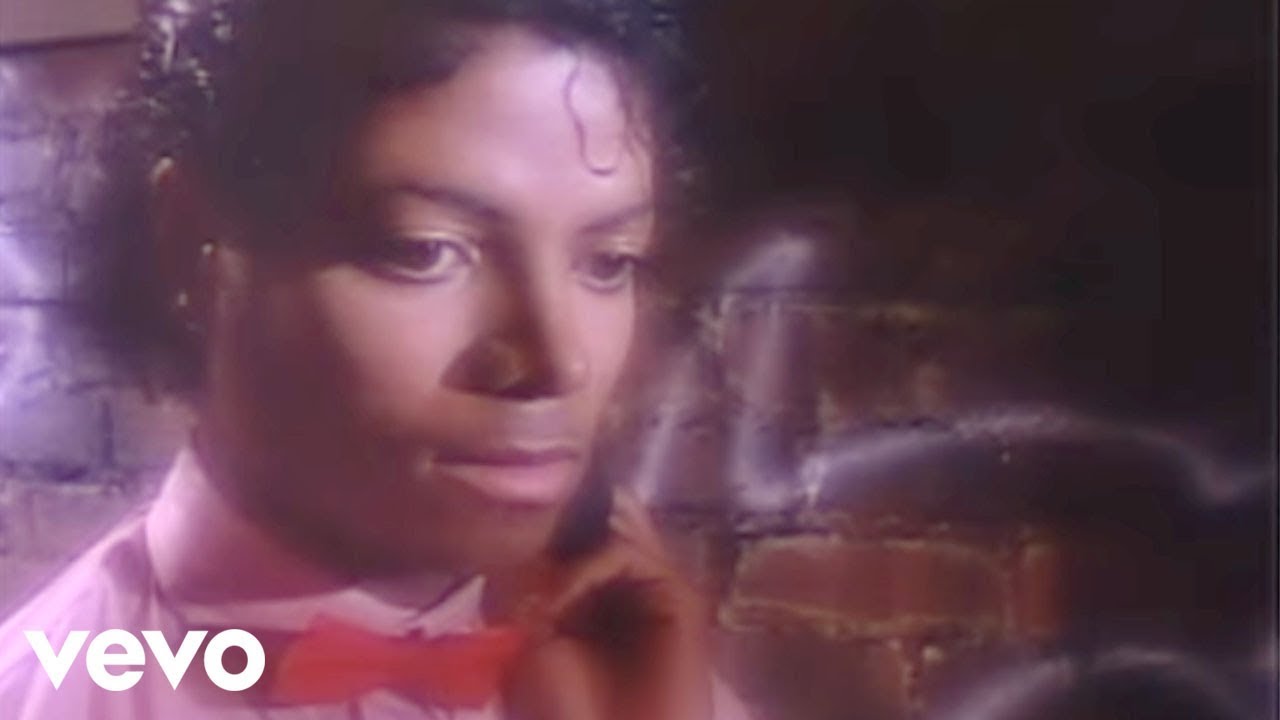
Steve Barron was hired to direct "Billie Jean" after Michael Jackson saw his work on The Human League's "Don't You Want Me." The finished video was simple and strange: a lone figure walking through a nocturnal city, pursued by a photographer, where paving stones light up beneath his feet.
The glowing sidewalk was built from custom tiles with embedded lights, but there was no automation — the production couldn't afford pressure-sensitive triggers. What couldn't be engineered was the performance itself. Barron later said his camera eyepiece literally steamed up while filming Jackson's takes.
Getting the video on air proved almost as difficult as making it. MTV's programming skewed heavily toward rock, and the network showed little interest in featuring Black artists in regular rotation. By his own account, CBS Records president Walter Yetnikoff forced the issue, accusing MTV of racism and threatening to pull every CBS video from the channel. MTV executives had argued that Black music did not fit the channel's rock format, but the network did eventually play the clip. "Billie Jean" premiered on March 10, 1983, and entered heavy rotation in the final week of that month.
The video is sometimes called the first by a Black artist to receive heavy MTV airplay. That's an oversimplification — the channel had aired Black artists before, albeit rarely and without promotional commitment. What "Billie Jean" did was prove that a Black pop artist could command MTV's audience completely, reshaping the network's identity in the process.
The single reached number one on the Billboard Hot 100, where it stayed for seven weeks. The MTV exposure correlated with an explosive surge in Thriller album sales, though separating the video's impact from the single's own momentum is impossible.
One detail worth correcting: the fedora and single sequined glove so closely associated with Jackson and this song were not part of the video. Those belonged to his Motown 25 performance of "Billie Jean," taped on March 25, 1983 — a different landmark moment entirely. In the video, Jackson wears a black leather jacket over a pink shirt, stalking through a stylized city that lights up at his touch.
The pavement glows. MTV changes direction. And a man who could make a sidewalk react to his footsteps turns out to be able to do the same thing to an entire industry.
Watch the video