In the middle of a restless night at Ian Fleming's Goldeneye estate in Jamaica, Sting woke with a phrase fully formed in his mind. He walked to the piano and in half an hour sketched out the spine of what would become one of the most misunderstood songs in popular music. The year was 1982, and he was navigating a turbulent personal period that bled directly into the lyrics of an obsession ballad cloaked in deceptive simplicity.
Back in London at Utopia Studios, the Police began shaping the arrangement. Andy Summers, fresh from collaborating with Robert Fripp, brought in a guitar riff inspired by Bela Bartok. The band experimented with the interplay between Sting's signature ninth chords — echoes of earlier work like "Message in a Bottle" — and Summers' angular counterpoint. Producer Hugh Padgham helped refine the sonic tension, ensuring the music mirrored the lyric's unsettling surveillance theme.
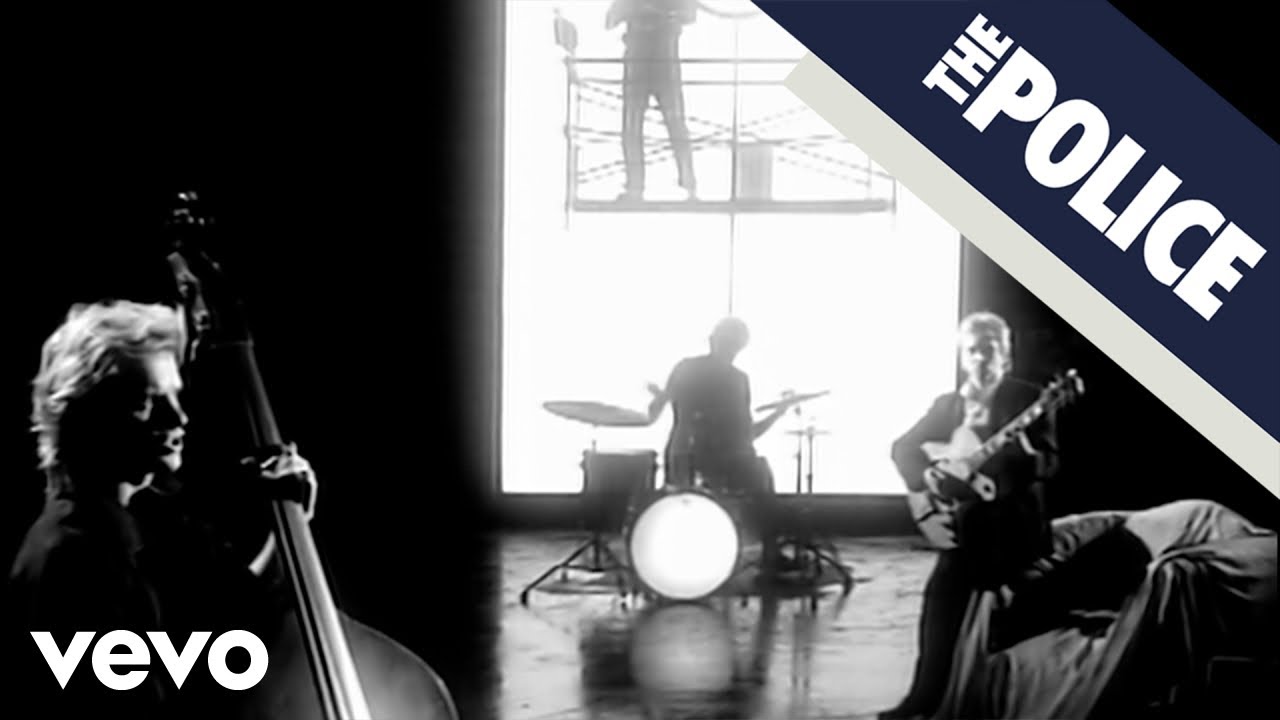
When it came time to film the video, directors Godley and Creme leaned into the darkness. They shot in England with a minimalist palette, placing Sting in deep shadows and stripping away color. The aesthetic was deliberate: no warmth, no romance, just stark observation. The visuals reinforced what Sting had intended from the start — a song about obsession, not devotion.
What audiences heard as a love song was actually a confessional wrapped in menace, born in a single sleepless night and refined through cold studio experimentation.
Watch the video